

Waking up tired every morning, even after “enough” sleep, is often a sign of hidden comfort mistakes in your sleep environment and habits. This post explores the most common comfort-related reasons you wake up exhausted and how to fix them for deeper, more restorative rest.
1. Your Mattress Is Working Against You
An old, sagging, or overly soft mattress can throw your spine out of alignment, forcing your muscles to work all night instead of fully relaxing. When your body doesn’t feel supported, you’re more likely to toss and turn, wake up during the night, and get less deep sleep.
Common mattress comfort mistakes:
- Sleeping on a mattress older than 7–10 years.
- Using a mattress that feels great for 10 minutes, but causes soreness by morning.
- Choosing a very soft bed that lets your hips and shoulders sink too deeply.
How to fix it:
- Aim for a medium-firm mattress that keeps your spine neutral while cushioning pressure points.
- If replacement isn’t possible yet, add a supportive mattress topper and rotate your mattress regularly.
- Pay attention to where you feel sore in the morning (lower back, hips, shoulders) as a clue your mattress isn’t supporting you correctly.
2. Your Pillow Is the Wrong Height
The wrong pillow can strain your neck, shoulders, and upper back, creating tension that leaves you feeling drained rather than refreshed.
Comfort mistakes with pillows:
- Pillow too high: pushes your head forward or to the side, over-flexing your neck.
- Pillow too flat: lets your head sink, compressing the neck.
- Using one pillow type for every sleep position.
How to fix it:
- Back sleepers: choose a low–medium loft pillow to keep your head in line with your spine.
- Side sleepers: pick a thicker, firmer pillow to fill the gap between shoulder and head.
- Stomach sleepers: use a very thin pillow or no pillow, and consider transitioning to side sleeping over time.
3. Your Sleep Position Is Blocking Deep Rest
Even with the best mattress and pillow, the wrong sleep position can create pressure, pain, and restless sleep.
Comfort-related position mistakes:
- Stomach sleeping: twists your neck and flattens your spine, leading to lower back pain and morning stiffness.
- Side sleeping without knee support: causes hip rotation and pulls your spine out of alignment.
- Curling too tightly in a fetal position: restricts deep breathing and can strain the back.
How to fix it:
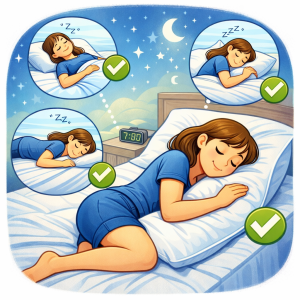
- Aim for a position that keeps your spine straight from neck to tailbone.
- Side sleepers: place a pillow between your knees to keep hips stacked.
- Back sleepers: place a small pillow under your knees to reduce lower back pressure.
- If you snore or suspect sleep apnea, favor side sleeping to keep your airway more open.
4. Your Bedroom Environment Is Not Sleep-Friendly
A noisy, bright, or uncomfortable bedroom can keep you from reaching the deeper stages of sleep, even if you don’t fully wake up.
Environment comfort mistakes:
- Room too warm, causing sweating and frequent position changes.
- Light leaking from windows, devices, or hallway lights.
- Noise from traffic, neighbors, pets, or a snoring partner.
- Cluttered, overstimulating room that doesn’t feel relaxing.
How to fix it:
- Keep your bedroom cool, dark, and quiet; many sleep experts suggest a slightly cooler room for better rest.
- Use blackout curtains, earplugs, or a white/green noise machine to block disturbances.
- Choose breathable bedding materials that help regulate temperature.
- Reserve your bedroom primarily for sleep and intimacy to train your brain to associate it with rest.
5. You’re Glued to Screens Before Bed
Spending your last waking hour scrolling on your phone or working on a laptop can sabotage sleep quality, even if you still log 7–8 hours.
Comfort mistakes with screens:
- Blue light from phones, tablets, and computers suppresses melatonin, your sleep hormone.
- Emotionally stimulating content (news, social media, emails) keeps your mind wired.
- Using your bed as a workspace makes it harder to mentally “switch off.”
How to fix it:
- Create a screen-free wind-down routine 60 minutes before bed.
- Swap scrolling for gentle stretching, reading a physical book, or listening to calming audio.
- If you must use devices, enable night mode and reduce brightness, but still aim to cut them off before sleep.
6. Your Sleep Schedule and Wake-Up Routine Are Inconsistent
Even if your bed is comfortable, irregular sleep times can confuse your body’s internal clock, leading to shallow sleep and morning grogginess.
Comfort-related rhythm mistakes:
- Going to bed and waking up at very different times each day.
- Hitting snooze repeatedly, fragmenting the last part of your sleep.
- Waking abruptly from deep sleep due to an early alarm, intensifying “sleep inertia.”
How to fix it:
- Go to bed and wake up at roughly the same times every day, including weekends.
- Avoid setting an alarm drastically earlier than your natural wake time.
- When the alarm rings, get out of bed, open the curtains, and expose yourself to natural light to reset your circadian rhythm.
7. Hidden Discomfort: Stress, Dehydration, and Lifestyle
Sometimes the comfort issue isn’t just physical—it’s how your body feels overall. Stress, dehydration, and lifestyle habits can make your sleep less restorative, even in a cozy bed.
Common hidden comfort mistakes:
- Going to bed stressed or anxious, with your mind racing.
- Being slightly dehydrated, which can contribute to headaches, dry mouth, and sluggishness in the morning.
- Eating heavy, spicy, or sugary meals late at night that cause discomfort or reflux.
How to fix it:
- Build a calming pre-sleep routine: light stretching, breathing exercises, journaling, or meditation.
- Drink water regularly throughout the day and have a small glass in the evening without overdoing it to avoid nighttime bathroom trips.
- Aim to finish large or heavy meals at least 2–3 hours before bed to reduce discomfort and sleep disruption.
When to Look Beyond Comfort
If you’ve optimized your comfort—mattress, pillows, position, environment, and routine—but still wake up exhausted, there may be an underlying sleep or health issue such as sleep apnea, insomnia, anemia, thyroid problems, or diabetes. Persistent morning fatigue, loud snoring, gasping at night, or ongoing low energy are all signals to speak with a healthcare professional for a proper evaluation.
By correcting these comfort mistakes and creating a supportive, soothing sleep setup, you give your body the best chance to move into deep, restorative sleep—and finally wake up feeling truly rested.





Leave a Reply