
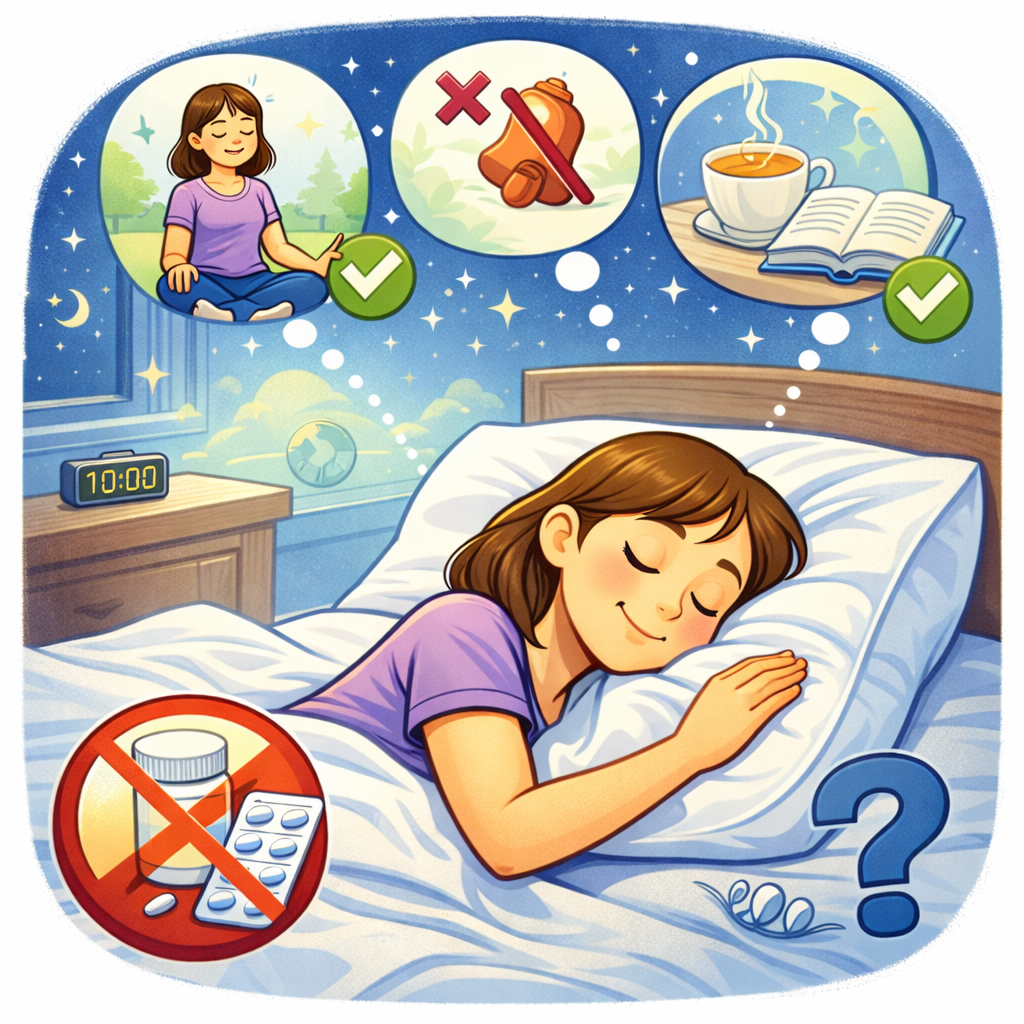
Sleeping better without medication is entirely possible through simple, evidence-based changes to your habits and environment. These natural strategies can help you fall asleep faster, stay asleep longer, and wake up refreshed, addressing common sleep issues like insomnia or restlessness.
Understanding Sleep Basics
Quality sleep relies on your circadian rhythm, the body’s internal clock that regulates wakefulness and rest. Disrupted rhythms from irregular schedules or poor habits prevent deep sleep stages essential for restoration. Without medication, focus on consistency and triggers like light exposure to realign this clock naturally.
Establish a Consistent Sleep Schedule
Stick to the same bedtime and wake-up time daily, even on weekends, to stabilize your circadian rhythm. Aim for 7-9 hours of sleep nightly—most adults thrive here. Use a gentle alarm like natural light or soft sounds, avoiding snooze buttons that fragment rest.
This routine trains your body to anticipate sleep, reducing time spent tossing and turning. Track progress with a simple journal to refine your schedule based on how refreshed you feel each morning.
Optimize Your Sleep Environment
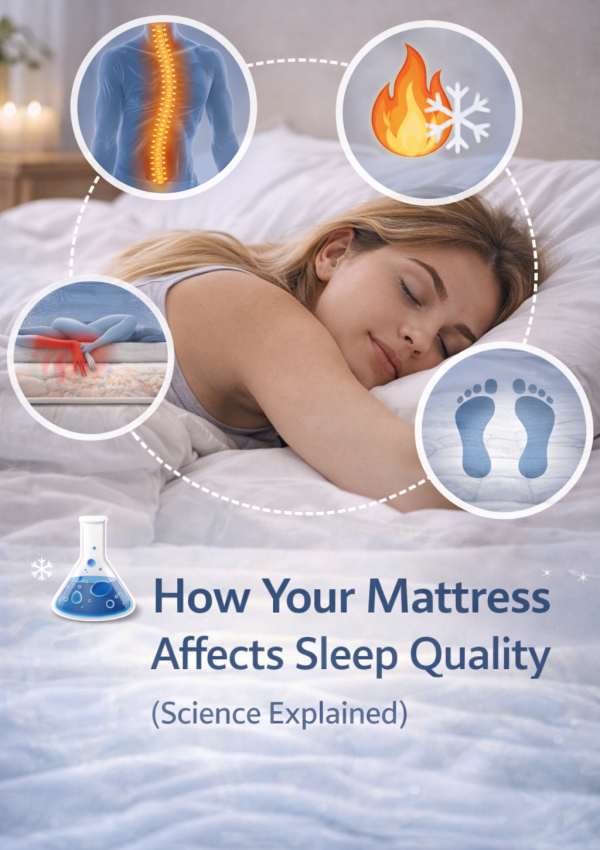
Create a bedroom designed for sleep: cool (60-67°F or 15-19°C), dark, and quiet. Blackout curtains block streetlights, while earplugs or white noise machines mask disruptions. Invest in breathable bedding and a supportive mattress suited to your sleep position—medium-firm works for most.
Declutter the space and limit it to sleep and intimacy only. This mental association helps your brain switch to rest mode faster upon entering the room.
Master the Art of Wind-Down Routines
Start unwinding 60 minutes before bed with dim lights and relaxing activities. Read a physical book, practice gentle yoga, or listen to soothing podcasts—avoid anything stimulating. Progressive muscle relaxation, tensing and releasing each muscle group, eases physical tension effectively.
A warm bath or shower 1-2 hours pre-bedtime leverages body temperature drop to signal sleepiness. Consistency turns this into a powerful cue for deeper rest.
Harness the Power of Light Exposure
Morning sunlight within 30 minutes of waking suppresses melatonin and boosts alertness. Get 15-30 minutes outdoors or near a window—even cloudy days help. Conversely, minimize evening blue light from screens using night mode filters or blue-light glasses.
This contrast reinforces your natural sleep-wake cycle, improving both sleep onset and quality without chemical aids.
Incorporate Daytime Habits for Nighttime Gains
Exercise regularly, ideally in the morning or afternoon—vigorous activity 3+ hours before bed enhances deep sleep but too close can energize you. Aim for 30 minutes most days, like brisk walking or strength training.
Limit caffeine after noon (it lingers 8+ hours) and alcohol 3-4 hours pre-bed, as both disrupt REM sleep despite initial drowsiness. Heavy meals? Finish eating 2-3 hours before bed to avoid reflux or indigestion.
Dietary Tweaks for Better Sleep
Certain foods promote sleep naturally. Include magnesium-rich options like almonds, spinach, or bananas in evening snacks—these relax muscles and nerves. Herbal teas such as chamomile or valerian root offer mild sedative effects without dependency.
Avoid sugar and processed foods close to bedtime, opting for balanced, light dinners with lean proteins, complex carbs, and healthy fats. Stay hydrated during the day but taper off liquids post-7 PM to minimize bathroom trips.
Breathing and Mindfulness Techniques
Practice the 4-7-8 method: inhale for 4 seconds, hold for 7, exhale for 8. This activates the parasympathetic nervous system, reducing stress hormones that fuel insomnia. Apps with guided sessions make it easy to learn.
Journaling worries 30 minutes before bed offloads mental chatter. Cognitive Behavioral Therapy for Insomnia (CBT-I) techniques, like challenging “I must sleep now” thoughts, rewire unhelpful patterns over weeks.
| Sleep Saboteurs | Fixes |
|—————|——–|
| Irregular bedtime | Fixed schedule, even weekends |
| Screen time | Blue-light blockers, 1-hour cutoff |
| Caffeine/alcohol | None after noon/3 hours pre-bed |
| Poor room setup | Cool, dark, quiet sanctuary |
| No exercise | 30 min daily, morning preferred |
| Stress overload | Breathing exercises, journaling |
Handle Nighttime Wake-Ups
If you wake and can’t sleep within 20 minutes, leave bed for a dull task like reading in low light—return only when drowsy. This prevents associating bed with frustration. Keep clocks hidden to avoid anxiety over lost time.
Track and Adjust Progress
Use a sleep diary for 2 weeks: note bedtime, wake time, quality rating, and habits. Patterns emerge—like caffeine’s impact or exercise benefits—guiding tweaks. Wearables offer insights but prioritize how you feel over raw data.
Long-Term Lifestyle Alignment
Naps? Limit to 20-30 minutes before 3 PM if needed. Manage stress through daily meditation or nature walks, as chronic cortisol elevates disrupts sleep architecture. Prioritize relationships and joy—emotional well-being underpins physical rest.
Common Myths Busted
- Alcohol helps sleep: It fragments cycles, causing fatigue.
- More hours = better: Quality trumps quantity; deep sleep matters most.
- Weekend catch-up fixes deficits: Chronic short sleep accumulates harm.
These strategies, when combined, rival medication’s effects for many. Patience yields results—most notice improvements in 1-2 weeks. Consult a doctor if issues persist, ruling out apnea or disorders, but start with these for sustainable, drug-free renewal.




Leave a Reply