
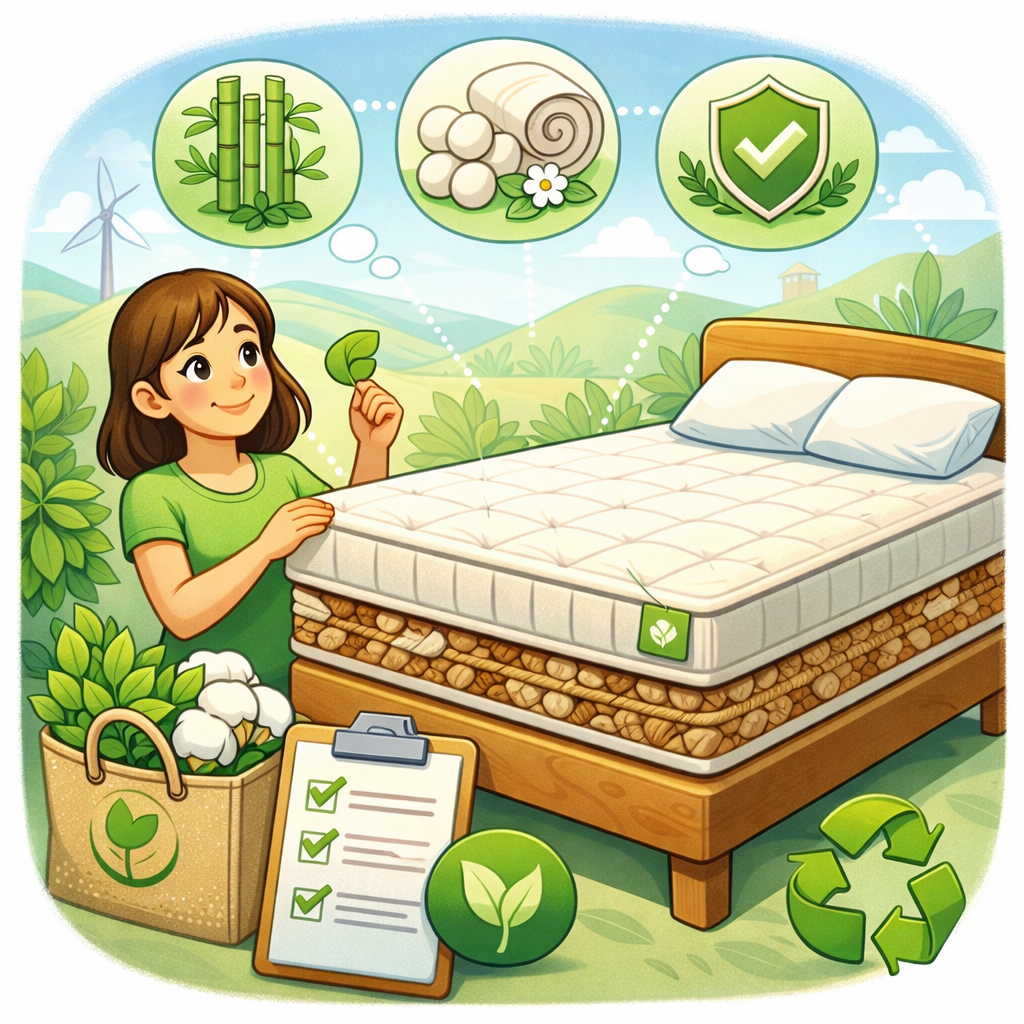
Eco-friendly mattresses are becoming a must-have for anyone who cares about both sleep quality and the planet. This guide will help you understand what makes a mattress truly green, which materials and certifications to look for, and how to choose the right eco-friendly option for your needs.
What Is an Eco-Friendly Mattress?
An eco-friendly mattress is designed to reduce environmental impact and create a healthier sleep environment by using sustainable materials, responsible production methods, and low-toxicity components. These mattresses typically avoid harsh chemicals, heavy metals, and petroleum-heavy foams, focusing instead on natural or recycled inputs.
The main goals are simple: minimize waste and pollution, support renewable resources, and give you a cleaner, less toxic place to sleep.
Key Eco-Friendly Mattress Materials
When comparing mattresses, start with what’s inside. Truly sustainable models rely on natural, organic, or recycled materials instead of conventional synthetic foams and chemically treated fabrics.
- Organic cotton: Grown without synthetic pesticides and fertilizers, breathable, soft, and biodegradable.
- Organic wool: Naturally temperature-regulating and flame-resistant, reducing the need for chemical flame retardants.
- Natural latex: Made from rubber tree sap, highly durable, supportive, and often biodegradable when not blended with synthetic latex.
- Hemp and other plant fibers: Fast-growing, low-pesticide crops that make strong, breathable fabrics and batting.
- Recycled steel coils: Provide strong support while reusing metal, which lowers the environmental footprint compared to new steel.
Avoid mattresses that rely heavily on conventional polyurethane foam and synthetic fabrics if eco-friendliness is your priority.
Important Green Certifications to Know
Certifications are one of the best ways to verify that a mattress meets real environmental and health standards. Look for third-party labels rather than relying on vague terms like “natural” or “eco.”
- GOTS (Global Organic Textile Standard): Ensures textiles like cotton and wool are organically grown and processed with strict social and environmental criteria.
- GOLS (Global Organic Latex Standard): Verifies that latex is organic and responsibly produced.
- OEKO-TEX Standard 100: Tests finished textiles for harmful substances.
- GREENGUARD or GREENGUARD Gold: Focuses on low chemical emissions and indoor air quality.
- CertiPUR-US (for foam components): Ensures foams are made without certain harmful chemicals and have low VOC emissions.
The more robust and relevant certifications a mattress has, the more confidence you can have in its eco-credentials.
Benefits of Choosing an Eco-Friendly Mattress
Eco-friendly mattresses benefit both the environment and your health, often with noticeable comfort advantages.
- Reduced chemical exposure: Fewer harsh flame retardants and solvents can mean less off-gassing and better indoor air quality.
- Better breathability and temperature control: Natural fibers like cotton, wool, and latex often sleep cooler than dense synthetic foams.
- Longer lifespan: Quality latex and well-constructed coil systems tend to last longer, reducing waste and replacement frequency.
- Lower environmental impact: Renewable materials, responsible sourcing, and recycled components all help cut your overall footprint.
For many sleepers, these mattresses also feel more supportive and stable over time.
How to Choose the Right Eco-Friendly Mattress
To find the best sustainable mattress for you, balance green credentials with your personal comfort and budget.
- Identify your sleep style and firmness needs
- Side sleepers usually do best with soft to medium options that relieve pressure at the shoulders and hips.
- Back and stomach sleepers often need medium-firm to firm for proper spinal alignment.
- Combination sleepers and couples may prefer a balanced medium feel with good motion isolation.
- Set your priorities
Decide what matters most: maximum organic content, low emissions, vegan materials, or a strict budget. This helps narrow your choices quickly. - Check the material breakdown
Look for clear labeling that specifies the percentage of organic materials, the type of latex (natural vs. synthetic blend), and whether steel coils are recycled. - Look at certifications, not marketing
Prioritize mattresses with globally recognized, third-party certifications over generic green claims. - Consider durability and warranty
A truly eco-friendly mattress should be built to last. Longer warranties and strong reviews on longevity are good signs. - Evaluate your budget realistically
Organic and certified mattresses can cost more upfront but often deliver better durability and health benefits. Compare total value, not just price.
Practical Shopping Tips
A few smart habits can make your eco-conscious purchase smoother and more rewarding.
- Read the fine print: Check for details on where the mattress is made, what chemicals are avoided, and how materials are sourced.
- Look for transparent brands: Companies that share detailed specs, sourcing info, and impact reports are usually more trustworthy.
- Consider trial periods and returns: Many brands offer home trials. This reduces the risk of investing in a premium green mattress that doesn’t fit your body.
- Don’t forget the foundation: Pair your eco-friendly mattress with a sustainable frame or base, like FSC-certified wood or recycled metal.
Final Thoughts
An eco-friendly mattress buying journey is about more than labels—it’s about aligning your sleep, health, and values. By focusing on natural and organic materials, trusted certifications, and your own comfort needs, you can choose a mattress that supports both restorative rest and a lighter impact on the planet.






Leave a Reply