
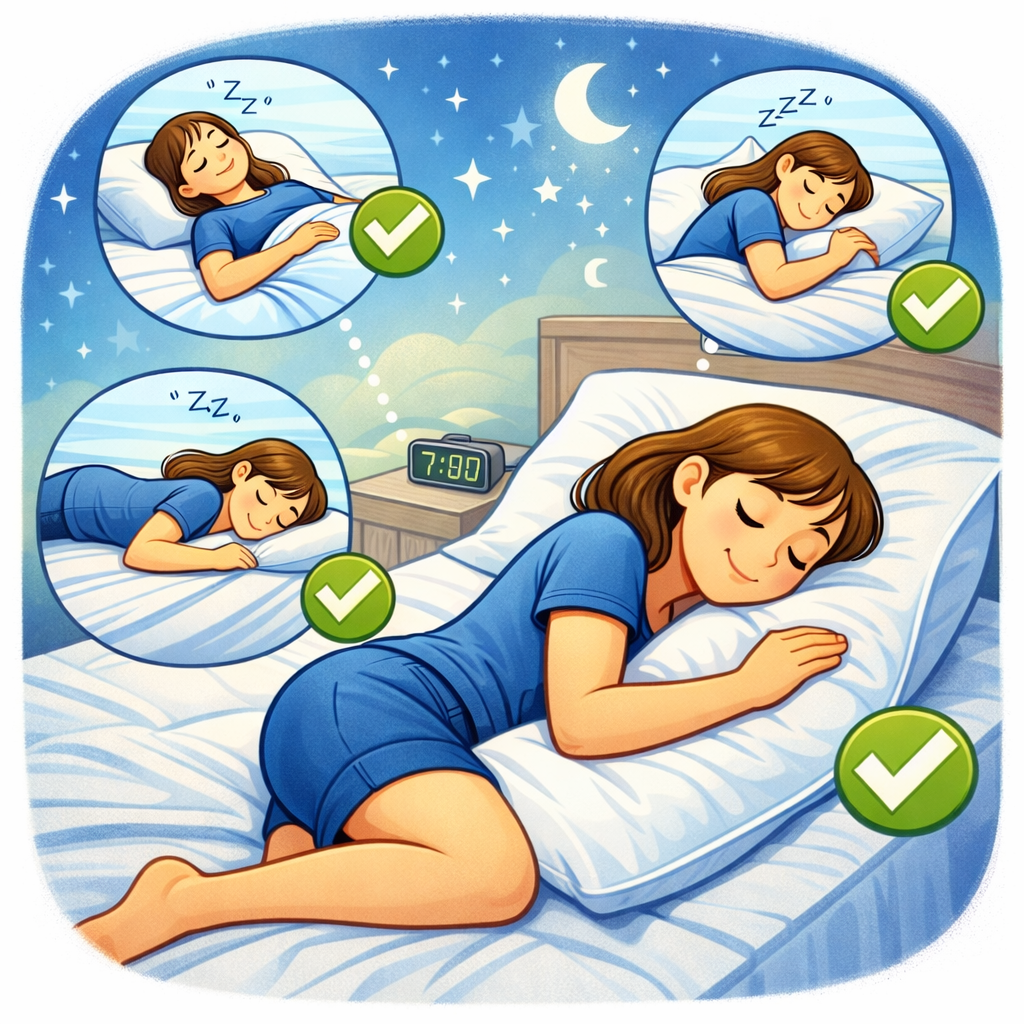
A good night’s sleep can transform your day. It sharpens your focus, lifts your mood, and gives your body the energy to perform at its best. Yet, one of the most overlooked keys to quality rest is how you sleep — your sleeping position. The right position can help reduce back pain, improve breathing, and promote deep, uninterrupted sleep. The wrong one can leave you tossing, turning, and waking up sore.
In this guide, we’ll explore the best sleeping positions for deep, restful sleep, the pros and cons of each, and how to choose the one that fits your body and lifestyle.
Why Sleeping Position Matters
Your sleeping position directly affects your spinal alignment, breathing patterns, and circulation throughout the night. Poor alignment can strain your muscles, pinch nerves, or restrict airflow — all of which interrupt your natural sleep cycles.
A healthy sleeping posture keeps your spine in a neutral position while supporting the natural curves of your head, neck, and back. When your body feels balanced and supported, it’s easier to drift into the deep, restorative stages of sleep that recharge you physically and mentally.
1. Back Sleeping: The Position for Spinal Neutrality
Best for: Most people, especially those dealing with neck or lower back pain.
Sleeping on your back is considered one of the healthiest positions because it evenly distributes your weight across your spine. By lying flat with your arms relaxed by your sides and your neck supported, you allow your muscles and joints to rest naturally.
Benefits:
- Encourages proper spinal alignment.
- Reduces pressure on the back and joints.
- May help minimize wrinkles caused by facial compression.
Tips for better comfort:
- Use a medium-firm pillow that supports the natural curve of your neck.
- Place a small pillow under your knees to support the lower back.
- Avoid very thick pillows that push your head forward.
Potential downsides: Back sleeping can worsen snoring and sleep apnea because gravity lets the tongue fall backward, narrowing your airway. If you struggle with these issues, try sleeping on your side instead.
2. Side Sleeping: The Most Popular and Heart-Friendly
Best for: People who snore, have sleep apnea, or are pregnant.
Side sleeping is the most common position — and for good reason. It supports smooth breathing and allows your body to relax into deep sleep. Sleeping on your side also protects your spine’s natural alignment while reducing acid reflux and heartburn.
Benefits:
- Promotes better airflow, reducing snoring and mild sleep apnea.
- Improves digestion and reduces acid reflux.
- Enhances circulation, especially during pregnancy.
- May help flush waste from the brain more efficiently.
Tips for optimal alignment:
- Sleep with a supportive pillow that keeps your head level with your spine.
- Place a pillow between your knees to prevent hip and back strain.
- Choose a medium-firm mattress that supports your shoulder and hip without letting them sink too deep.
Left vs. right side:
Sleeping on your left side is generally recommended for digestion and heart health, as it helps keep acid from rising into your esophagus. However, if you have certain heart conditions, your doctor may suggest the right side for better comfort.
3. Fetal Position: Cozy Comfort with Caution
Best for: People who like sleeping curled up, especially during cold nights.
The fetal position — curled slightly on your side with knees drawn toward your chest — can feel comforting and secure. It helps reduce snoring and is especially beneficial during pregnancy, improving circulation and supporting the baby.
Benefits:
- Better breathing for those with mild sleep apnea.
- Comforting and stress-relieving posture.
- Great for pregnancy (especially on the left side).
Tips for protection:
- Don’t curl too tightly — excessive bending can limit deep breathing and strain your spine.
- Use a supportive pillow that keeps your neck neutral.
- Place a pillow between your knees for added alignment.
Over time, curling too tightly can lead to stiffness or soreness in your back and neck. Keep the position relaxed and open for maximum comfort.
4. Stomach Sleeping: The Most Problematic
Best for: Occasional use, especially if you snore and can’t tolerate back sleeping.
While sleeping on your stomach may reduce snoring, it’s generally the least healthy position for your spine and neck. It flattens the natural curve of your spine, strains your neck from turning sideways, and can lead to numbness or tingling due to nerve compression.
Drawbacks:
- Increases strain on the lower back.
- Twists the neck unnaturally, leading to stiffness.
- Restricts natural breathing movements.
If you can’t sleep any other way:
- Use a very thin pillow or none at all to keep your neck aligned.
- Place a pillow under your pelvis to reduce lower back pressure.
Try gradually training yourself to sleep on your side instead by placing a long body pillow beside you for support.
5. Combination Sleeping: The Realistic Middle Ground
Many people move through multiple positions during the night — starting on their back, shifting to one side, and curling slightly. This is perfectly normal and can even encourage better circulation.
If you’re a combination sleeper:
- Choose a mattress that supports multiple positions equally.
- Use adaptable pillows (like adjustable memory foam or shredded latex).
- Start on your back or side, since these are the healthiest bases.
You can also use strategically placed pillows to reduce excessive movement or keep your spine aligned as you shift.
How to Find Your Best Sleeping Position
The best sleep posture isn’t the same for everyone. It depends on your unique body type, health condition, and comfort preferences. Here’s how to discover your ideal setup:
- Consider existing issues: If you experience acid reflux, side sleeping (especially on your left) may help. If you have back pain, try back sleeping with a cushion under your knees.
- Experiment gradually: Try staying in one position for a few nights and note how you feel upon waking.
- Invest in supportive bedding: A quality mattress and pillow are more important than price tags — they must support your spine’s natural curves.
- Prioritize alignment: No matter the position, keep your head, neck, and spine straight and balanced.
Final Thoughts
Your sleeping position is a silent but powerful influence on your health and energy. Whether you prefer lying flat on your back, curled up on your side, or switching between both, the goal is the same: maintain proper alignment and support your body’s natural posture.
Improving your sleep position may take a few nights of adjustment, but the payoff — deeper, more restorative rest — is worth it. Start tonight by choosing the position that best fits your needs, and wake up refreshed, revitalized, and ready to take on the day.






Leave a Reply